
Cover Crop Termination: Prepping for the Season Ahead
Temperatures creeping up and flocks of birds heading north can only mean one thing—spring is not far off. Before long, farmers across the county will be heading back to the fields.
For those who are newer to cover crops, spring often brings an important question: how should they be terminated? Whether this is your first season using cover crops or you are looking for ways to manage them without relying quite so heavily on chemical applications, you are not alone. Many farmers are exploring different termination methods as they weigh soil health goals, input costs and overall management strategies.
Spring termination plays an important role in making sure cover crops do not compete with the cash crops that follow. If covers are not terminated effectively, they can draw nutrients, water and sunlight away from the crop you intend to plant. A clear termination plan also helps keep winter weeds from gaining a foothold before planting season begins. While a strong stand of cover crops can suppress weeds through the winter months, weeds that are allowed to mature and set seed may create additional pressure later in the season.
Winter Survivors
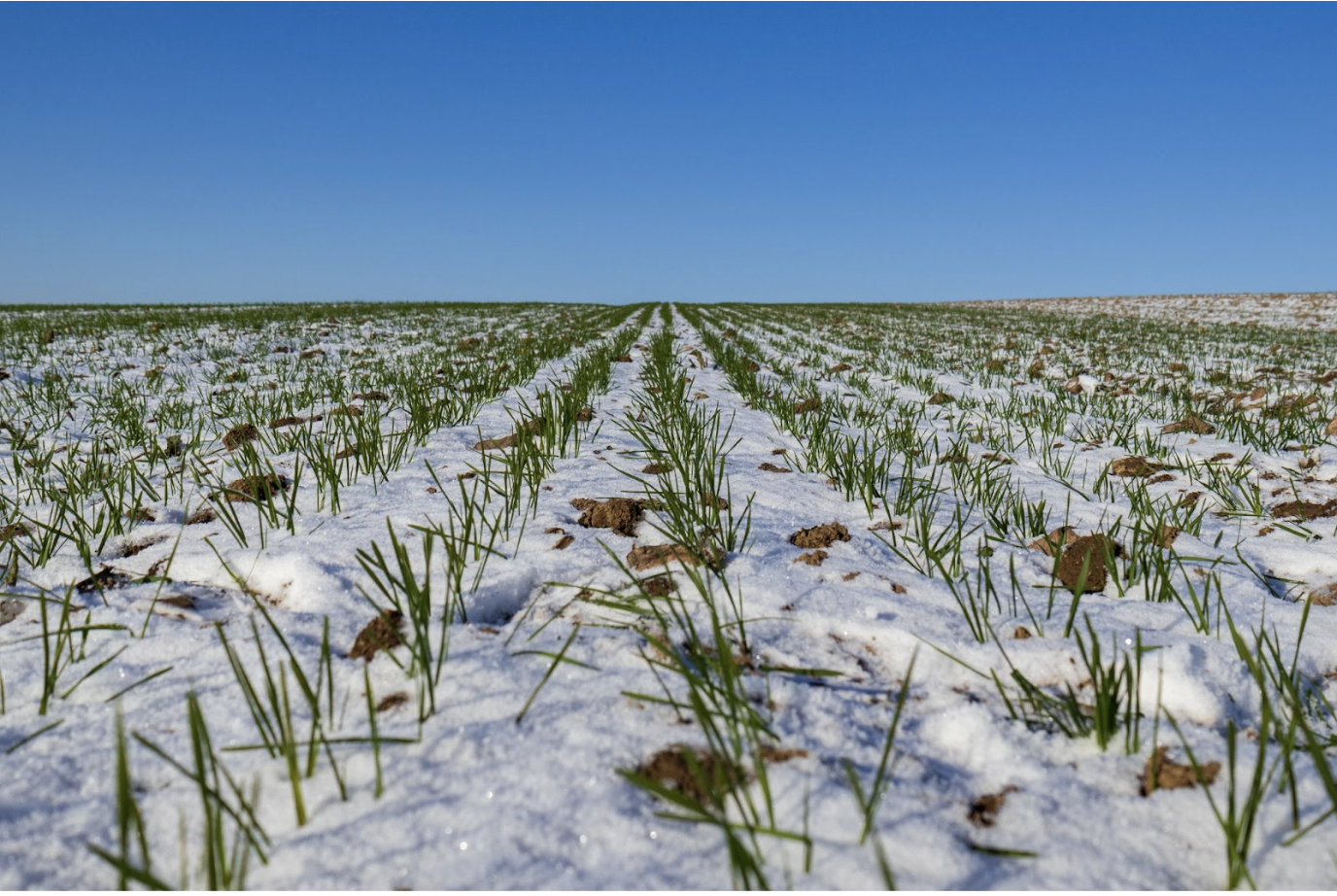
In some situations, winter conditions may have already taken care of termination. Cold-sensitive cover crops such as oats, turnips and radishes are often winter-killed when temperatures drop below 28 degrees for as little as one or two nights. With the snow and cold snaps many areas experienced this winter, some fields may already be showing signs of natural termination as those plants break down and begin returning nutrients to the soil.
However, not all cover crops are easily taken out by winter weather. Hardy species such as cereal rye, winter wheat and triticale are built to withstand harsh conditions and can continue growing well into the spring. When those crops survive the winter, farmers will need to determine the best approach for terminating them before planting the next crop.
Mechanical & Livestock Options
Mechanical methods are a practical option for many farms. Rolling and crimping, for example, has gained attention as a way to terminate cover crops while also creating a protective residue layer on the soil surface. A roller-crimper flattens the plants and crimps the stems, stopping further growth while leaving behind a thick mat that can help suppress weeds and conserve moisture.
Timing is important for this approach to be successful. Rolling works best when the cover crop has reached early flowering. If done too early, plants may recover and continue growing, reducing the effectiveness of the process.
Tillage remains another tool in the toolbox. Although many farmers continue moving toward reduced-till or no-till systems, light tillage can still provide an effective option for terminating certain cover crops. A shallow pass with a disk, cultivator or undercutter can knock down stubborn growth while minimizing soil disturbance. For farms committed to no-till systems, strip-till can offer a compromise by clearing only the planting row while leaving the majority of the soil structure intact.
Livestock grazing can also serve as a useful termination method for operations that include animals. Cattle, sheep or goats can graze down cover crops while naturally cycling nutrients back into the soil. Managed grazing allows producers to reduce biomass while supporting soil fertility at the same time. Careful attention to stocking rates and soil conditions is important, particularly if fields are wet, to avoid potential compaction.
Considering Costs & Chemical Use
Chemical termination continues to play a role on many farms, but rising costs are leading producers to take a closer look at how and when those products are used. With the cost of herbicides and other inputs climbing, every application represents another line item in the budget.
Some farmers are combining physical methods—like rolling, crimping, light tillage—or livestock grazing with a carefully targeted herbicide application. This allows them to control cover crops and weeds effectively while using fewer chemicals overall. With input costs on the rise, this approach helps stretch every dollar and reduces the risk of unnecessary herbicide use. At the same time, many producers are weighing long-term concerns such as herbicide resistance and soil health as they plan their termination strategies.
In many cases, the most effective approach is not a single method, but a combination that fits the specific field conditions, crop rotation and equipment available on the farm.
As spring approaches, the most important step is having a clear plan in place. Every field is different, and termination strategies should reflect those differences. Taking time to evaluate what is growing in the field and how it fits into the upcoming crop year can help set the stage for a smoother planting season and stronger crop performance.
For additional guidance, contact your SWOF representative, who can provide field-specific recommendations and help tailor a plan that fits your operation’s goals.