
News

Recent Articles
Rethinking Tillage: When Is a Pass Worth It?
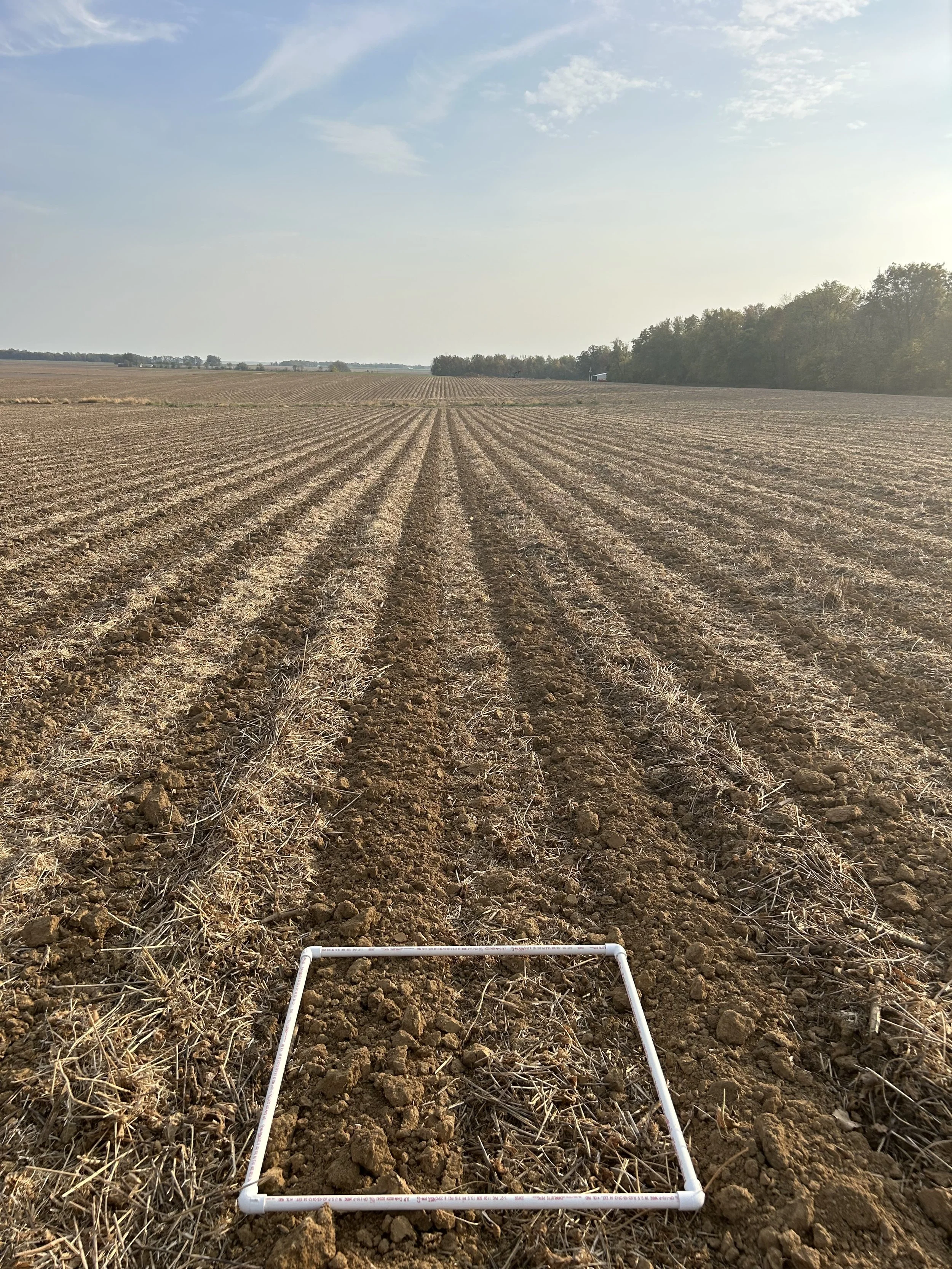
Not every tillage pass is created equal. Learn how to evaluate what each pass accomplishes, where reduced tillage and strip-till can fit and whether changing your system can improve your farm's bottom line.

Meet SWOF’s Rachel Schuler
Meet Rachel Schuler, SWOF’s newest Field Program Representative. Learn how her background in specialty crops and passion for purpose-driven agriculture helps Indiana farmers adopt sustainable practices that boost soil health and profitability.

Get to Know SWOF’s Clayton Sessions
With firsthand experience on the family farm, SWOF’s Clayton Sessions has a unique perspective on the challenges and rewards of soil and water stewardship. Learn more about Clayton and how he works with farmers to navigate practice changes in a financially sustainable way.

Checking Back in with Lillie Beringer: Conservation at the Heart of a Thriving Beef Farm
A year after our first spotlight, we’re checking back in with Lillie Beringer—Iowa’s most recent Conservation Woman of the Year—to see how her commitment to no-till farming, cover crops, and sustainable cattle grazing continues to transform her operation. Read more about her journey!

Wind-Proofing the Farm: Protecting Crops, Soil, and Profits with Conservation
Meet Jeremy Chandler, a third-generation farmer enrolled with the Soil and Water Outcomes Fund from the Red River Valley in Minnesota. With cover crops and reduced tillage, he's successfully fighting wind erosion, especially for his sugar beet crop, and protecting the bottom line of his family's operation.

SWOF Staff Spotlight: Get to Know Amanda Shetler
With a background in conservation and farming, Amanda brings valuable insight and passion to her role. We invite you to learn more about her and how she leverages this expertise to guide farmers to implement sustainable practices with ROI in mind.

SWOF Farmer Spotlight: John Sorenson
Meet John Sorenson, a fifth-generation Minnesota farmer. To combat harsh winds threatening his sugar beets, John joined the Soil and Water Outcomes Fund to implement a rye cover crop and reduce his tillage. These changes have protected his crops and produced savings in fuel and labor costs.

The Economic Case for Minimal Tillage
Farmers are balancing a lot—from rising input costs and labor shortages to increasing weather variability. Minimizing tillage not only benefits the soil and the environment but also brings economic advantages that can contribute to a farm's profitability.

SWOF Spotlight: Get to Know SWOF’s Peyton Vest
Peyton grew up on a small hog farm in southwest Ohio and developed a deep connection to agriculture from an early age. His years of hands-on experience and academic background in soil science make him a wonderful resource on the SWOF team.

SWOF & IL STAR Farmer Spotlight: Jake Stricklin
Meet Jake Stricklin, a farmer enrolled in the Soil and Water Outcomes Fund from northern Illinois. Learn how this young, innovative leader in agriculture is utilizing knowledge and support from several partnering organizations to improve his operation's bottom line through reduced tillage and cover crop implementation.

Water Wisdom: Best Practices for Efficient Water Management in Agriculture
Water is a critical resource, and managing it efficiently is essential to ensure sustainability and productivity in agriculture. Gain more confidence in managing this vital resource as we review the key principles of efficient irrigation practices, as well as the role conservation measures and soil health play in water management.
SWOF Farmer Spotlight: The Allyn Family Farm
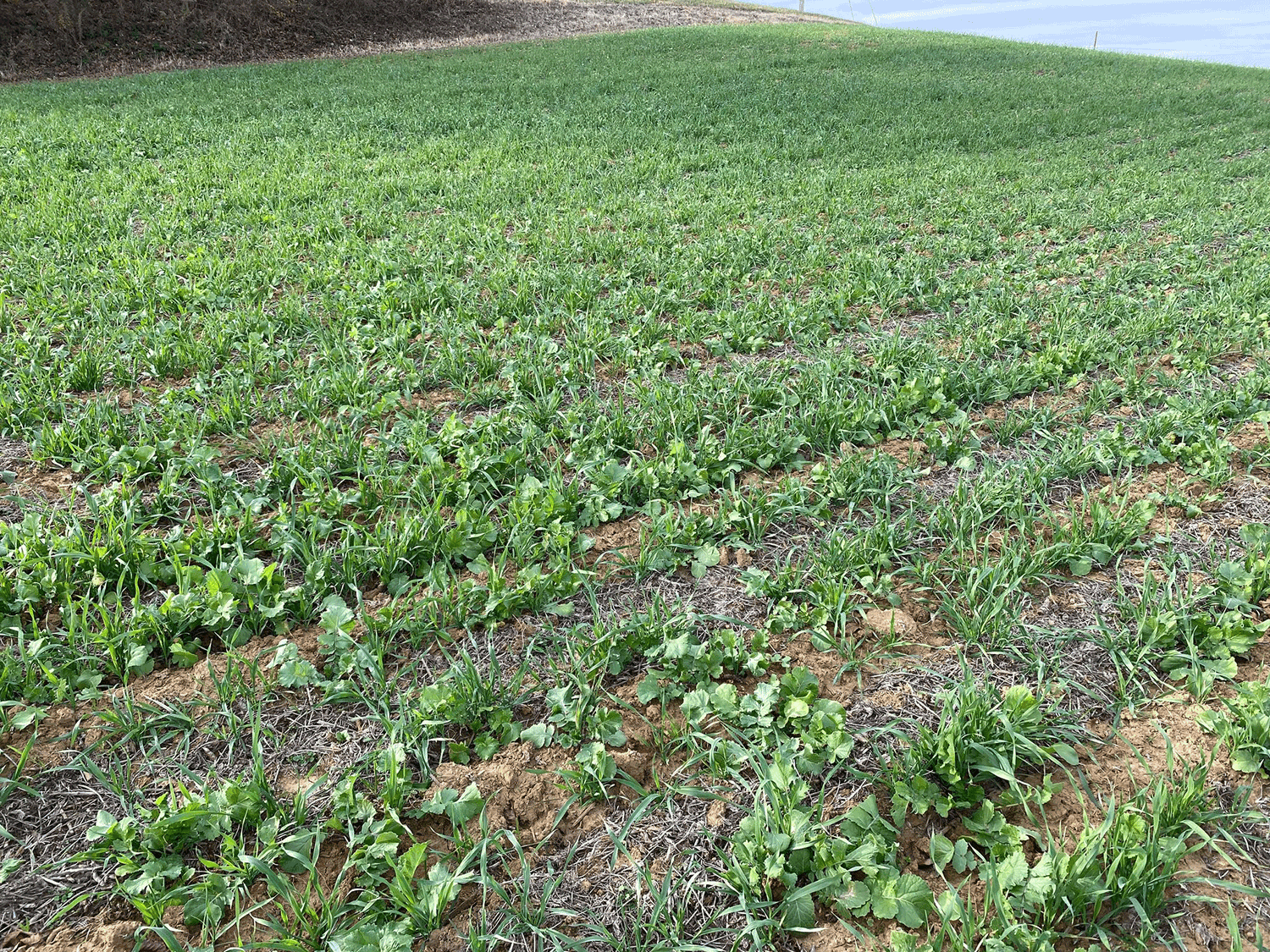
Meet the Allyn Family, farmers enrolled in the Soil and Water Outcomes Fund from southern Indiana. Their family has been farming for over 100 years. Last year they enrolled with SWOF to help with erosion by reducing their tillage and experimenting with cover crops.
Search Older Blog Articles Here >>